the chai conversations continued.
after that first night, we started meeting more often. not planned. just… found ourselves at the same stall, same time, same plastic chairs.
at first, people were hesitant. no one likes being told they’re performing.
but something shifted.
one friend started pointing out his own reactions mid-conversation. “yaar, i just felt defensive. i don’t even know why.”
another started catching himself before speaking. “i was about to say something to impress you guys. caught myself.”
it was awkward. and also… freeing.
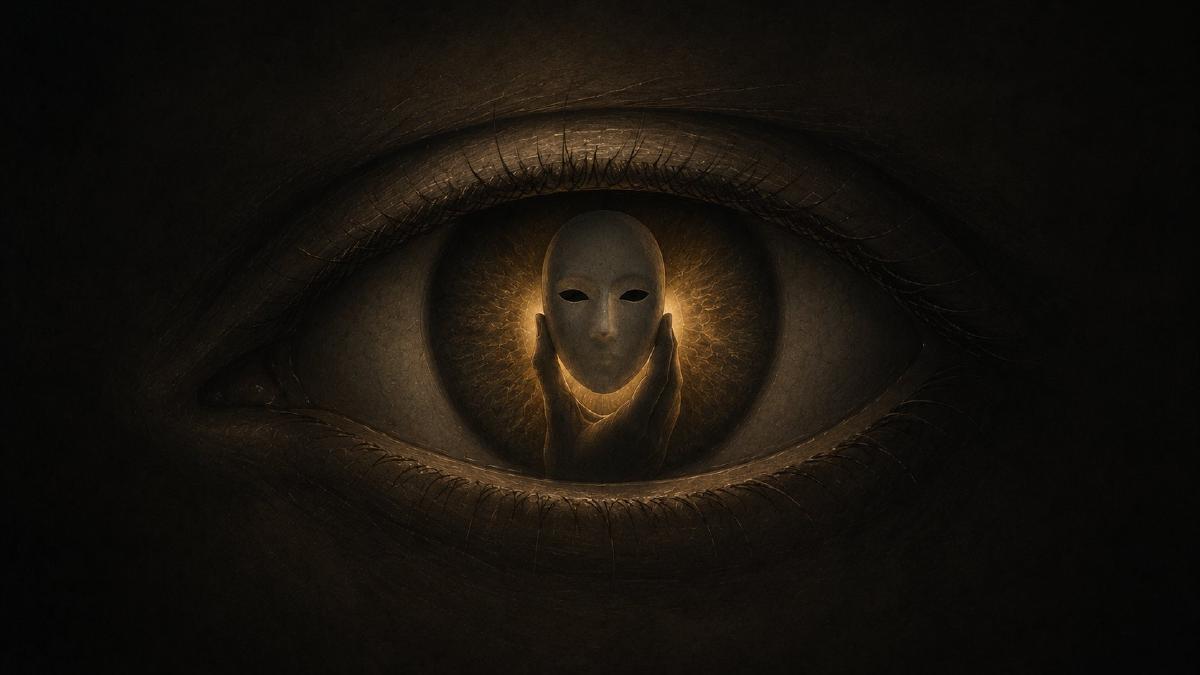
because once you see your own mask, you start seeing everyone else’s too.
not in a cynical way. in a curious way.
the same ladder, pointed outward#
the layers aren’t just for you.
everyone has them.
layer 1 — their mask. what they show you. take it seriously but never at face value. it’s curated. everyone curates.
layer 2 — their reactions. where truth starts leaking. people reveal themselves not in prepared statements but in interruptions. in what makes them flinch. in the joke they make when nervous. in what they can’t let go of.
layer 3 — their motives. the engine underneath. the fear they don’t name. the need they don’t admit.
most people never look past layer 1.
they take the presentation as the person.
that’s why they get surprised. that’s why they get hurt. that’s why they say “i never saw it coming.”
what to actually watch for#
if you want to read someone accurately, don’t listen to what they say.
watch:
what they repeat. people reveal their obsession in what they come back to. the same story. the same complaint. the same brag. that’s their engine talking.
what makes them flinch. a certain topic. a certain kind of joke. a certain question. that’s their fear leaking.
how they treat people who can’t do anything for them. the waiter. the driver. the intern. that’s their baseline. when there’s no audience, the mask drops.
what they can’t let go of. grudges. past slights. old successes. that’s their identity holding on.
what they laugh at. the nervous laugh. the dismissive laugh. the laugh that’s not really funny. that’s their reaction pattern showing.
these aren’t tricks. they’re just… data.
the ethics of perception#
here’s where it gets important.
once you can see someone’s layers — their mask, their reactions, their engine — you face a choice.
use the sight, or honour it.
the manipulator and the genuinely wise person have identical perception.
they both see the other person’s fear. they both see what drives them. they both see the weak spot.
the difference is: what do you do with it?
one uses it to control.
the other uses it to understand.
gracian’s darker readers stop at the first. they see the thumbscrew and they press it.
the real skill — the harder skill — is seeing the thumbscrew and choosing not to press it.
the watcher in others#
this is the part that changes everything.
behind everyone’s noise — behind their mask, their reactions, their engine — there’s a watcher.
the same silent awareness that sits in you.
buried. sometimes deeply. sometimes under so much machinery they never got the chance to examine.
but it’s there.
and once you know it’s there, you can’t unsee it.
the person who annoys you? there’s a watcher in there, trying to do its best with the machinery it inherited.
the person who manipulates? same.
the person who hurts you? same.
this recognition is what compassion actually is when it’s real.
not a feeling. a perception.
the honest caveat#
i’m not good at this.
some days i catch myself judging before i observe.
some days i see someone’s fear and i want to press it — just a little — because it would make me feel powerful.
some days i’m the manipulator. not the wise one.
but i notice it faster now. that’s the progress.
not perfection. just… faster.
a practice to try#
next time you’re in a conversation — especially with someone who irritates you — try this:
instead of reacting, just watch.
- what are they managing right now?
- what are they afraid of in this moment?
- what do they need to believe about themselves?
you don’t have to say anything. just watch.
the answers usually appear if you’re quiet enough to see them.
closing the series#
so that’s it.
three conversations over chai. three layers.
- the mask — what you show the world
- the reactions — what runs you
- the motives — what actually drives you
and then the turn: the same layers, pointed outward. at others.
the whole thing is a spiral, not a ladder.
you’ll circle through all of it forever — masked on monday, reactive on wednesday, clear on friday.
the progress isn’t reaching a final layer.
it’s returning faster.
seconds instead of days.
that’s the whole game.